Podcast | Sep 2026 | The Pearl Meyer Unscripted Podcast
Who’s Next Isn’t Enough: Closing the Succession Readiness Gap
S5 Ep2: How boards can move beyond succession planning to succession readiness by defining what the future CEO role requires and deliberately developing and testing potential successors to ensure they’re prepared to lead.
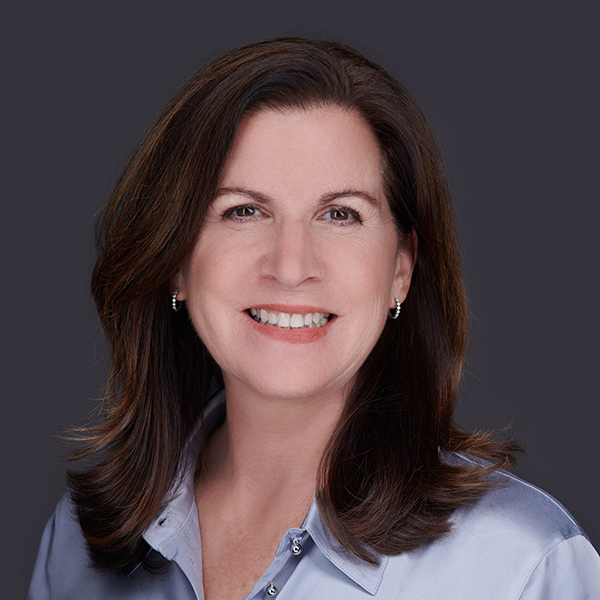
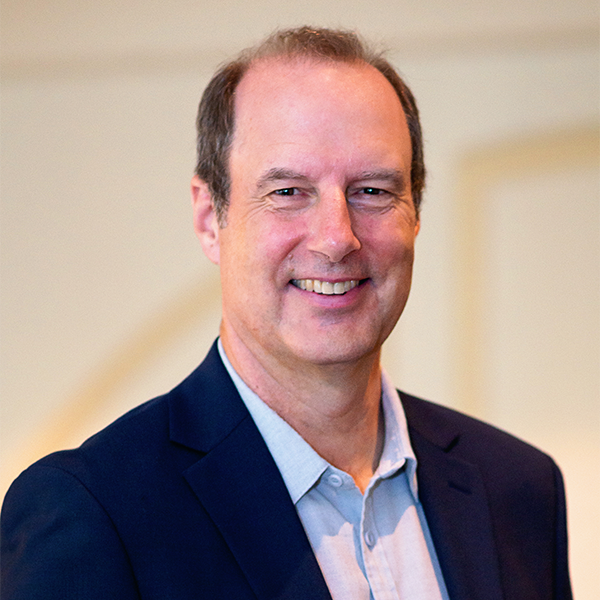
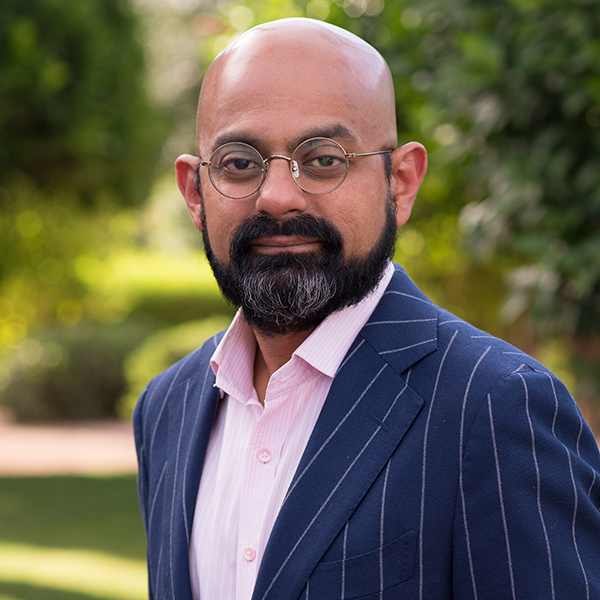
Jake: We continue our Top Five series with a topic that is increasingly central to boardroom conversations: CEO succession readiness. In this episode, Mark and Aalap are joined by managing directors Peter Thies and Susan Sandlund to discuss why boards need to move beyond simply identifying a potential CEO successor and focus more deliberately on whether the organization is truly ready for a leadership transition.
Peter has more than 30 years of experience helping companies implement strategic organizational change and deep expertise in CEO succession and executive development. Susan brings more than 30 years of experience advising boards, CEOs, and leadership teams on large-scale change, culture and organization design, governance, team effectiveness, executive assessment and development, and CEO succession. Together, they discuss the succession readiness gap and how to close it, how the CEO role is becoming more complex, why the broader C-suite matters to transition success, and what boards can do now to better prepare future leaders before a transition becomes urgent. Let's listen in.
Aalap: Susan and Peter, really appreciate you taking the time to be here with us to talk about the ever-present and extremely important topic of succession readiness.
Susan: Thank you, Aalap and Mark. Great to be here.
Peter: Great to be here, guys. Thanks for having us.
Mark: Yeah, I'm really looking forward to this topic because I'm a little confused. What is the difference between succession planning and succession readiness? I always talked about succession planning.
Peter: Great question, Mark. Planning itself, as you might imagine, is the identification of potential successors. What do we do at the time of transition? Who are the candidates for it? So planning is more of an identification and future organization focus. Readiness is something different. Readiness is under what time frame would somebody be ready, and how do we know that they are? Followed by, what are we doing to invest in their development so that when the time comes, whether it's the current planning horizon or something further along, how do we know they're actually going to be ready to take the job?
So naming people on a slate with a quasi-depth chart is not really adequate. It's more important to know what is the company doing to get all the candidates prepared to take on the role whenever that transition occurs.
Susan: And I would just add to that, readiness itself is a bit of a dynamic in that today's readiness is not tomorrow's readiness. So you might have someone who is, quote-unquote, “ready”, but let's say there's a strategic shift or a big competitor move, and your organization changes and the requirements for that CEO role change as well. All of a sudden, your person is not ready.
And you have to roll with that and move ahead and say, “okay, now we have another hurdle. Let's figure out how we're going to now get them ready for the future.”
Aalap: So, Susan, I mean, obviously something changes and the person you thought would be ready, is not ready because of the change. Obviously, that complicates things. We've talked about this before. Why has CEO succession become so difficult?
Susan: Well, let's just start with our environment. The world is a bit of a crazy place right now with all the geopolitical changes and forces. You have activist investors, you have all sorts of competitors out there, you have AI. The job itself has just gotten bigger and more complex. And there are more reasons you can fail, frankly, at a CEO role.
So more and more, the board is looking not just at the CEO but at the whole senior team because the CEO cannot be everything to everyone at all times. So this idea of, yeah, it's getting tougher to be a CEO, there are higher failure rates, but we also have to look maybe a little differently at the whole team and how do we spread some of the responsibility across the team.
Aalap: So are you suggesting that the new CEO shouldn't be a carbon copy of the old CEO?
Susan: Well, that's for sure. I think Peter and I both have some points of view on that. I mean, the odds of the next CEO being exactly like the one before, that's unusual today. It's going to change. And if you don't see any change, I would say you're not looking closely enough. Of course there will be new requirements, and it's a new world.
And just being really clear as a board of directors, as a management team, what is it going to look like in the future for leaders in this organization? And therefore, what are we going to have to be really great at that maybe we're not great at today? And how do we develop these candidates to get ready? Peter, I know you have some points of view regarding what you see out there as far as readiness.
Peter: Yeah, so that dynamic of not looking far enough into the future or looking at your incumbent, we call that clone succession. And clone succession doesn't really work for all the reasons that Susan outlined before. The world is changing. It's different now.
One of the biggest differences we see in the capabilities of CEOs in the future is actually something called resilience, which is a little bit of a buzzword, but the ability to pivot both strategically, organizationally, and even in the pursuit of talent and those around you, plus the ability to withstand all the pressures that are inherent in the job right now. Those are the kinds of things that are different today than they have been in the past for CEOs.
And even more of a reason why you wouldn't want to do what we would call a clone succession. Good thing Apple didn't try to clone Steve Jobs when they chose Tim Cook. Very different people, but look at what happened. Tremendous success under Cook. And we'll see what happens in their next iteration.
Susan: So that's interesting, Peter, because that reminds me of a client I just spoke with yesterday. We're doing a board evaluation for them, and they were commenting on the CEO succession process that they're going through. And this is a board member who basically said, "I'm a little worried that we are looking at the same types of criteria that we have for the current CEO. I think we're in a huge transformation, and I don't think anybody's acknowledging this. And, you know, we've got okay candidates, but I'm not sure these people are going to be able to take us to this new land, which is going to be a very different organization than it is today."
And, you know, my reply to her was, "You need to raise that at the board meeting and talk about it openly," because if you're having that concern now—and this was a six-month succession-type time frame, so it's going to happen relatively soon—I was like, "My gosh, if you feel that way, you have to put it out there right away." And she's like, "Well, we're all starting to feel that way." I said, "Yes, this is the moment. If there needs to be a course correction on this, better do it now rather than later."
And this was also a situation where there was a very tight relationship with the CEO and the lead director, like a little too close, in that everybody's kind of happy and cozy and not pushing the boundaries, if you will. And so that is something else about this. Who are the ones on the board, on the management team, who should be pushing this and asking these questions about how different is the future going to be for our leaders? And it's weird how sometimes it falls through the cracks a bit.
Aalap: Yeah, I think it falls through more often than not.
Mark: So, Peter and Susan, you've hit on a couple mistakes that get made, but what other common mistakes do you see as you're working with boards?
Peter: Yeah, one is they start too late. That's probably the most common mistake. They'll wait until the CEO comes to them and says, "I'm done in 12 to 18 months," whatever their time frame might be, and then all of a sudden the board says, "We better get on the hop on succession planning." That's actually too late because, especially given what we've talked about before, since the job is so much more demanding, it takes a while for any individual executive to develop all the skills they need to be successful, at least if you're going to choose an internal.
So first mistake is they wait too long. Second mistake is they treat the succession planning—and we're saying that's part of the problem—they just treat it as a planning exercise versus a readiness exercise. So they actually don't track the development of the executives in question.
So their candidates, do they know them well enough beyond what the CEO might say about them? Do they know how the company is developing those individuals to be more ready sooner against the profile? The other part is they don't have a profile that they actually have developed to say, "This is what good looks like in our next CEO." That's another common mistake. Susan, you've probably seen some others.
Susan: Yeah. I'd say a third mistake is a board that is too complacent and a CEO who is leading this process singularly, in that they are making all the decisions, they're pushing it forward, it's their agenda. Again, I've had some interesting stories where, you know, a CEO has a favorite son or daughter who they are putting forward as CEO. And maybe that CEO is in a hurry to leave. That can happen too. Like, they want to get out, and so they just want that new CEO to get in place, and they're not pressure-testing them as readily as they should be.
But the board maybe doesn't get that. They don't quite understand that that's happening. And I would say that is the fault of the board, that they're not close enough to the action. And so you have to ask and push to get that access and make sure you're getting the level of information as a director to understand what kind of decision you're going to be making around that next CEO. Just blindly going along with whoever the CEO recommends is dangerous.
Mark: Susan, that hits on the planning, but what about mistakes from the planning to the readiness?
Susan: Sometimes there isn't enough attention to actual development. It's almost like, okay, we have these three candidates. Aren't they wonderful? And they usually are. But there isn't enough done to really accelerate their development.
So all of a sudden two years passes, and everyone says, okay, so are they ready? And if nothing has been done to truly focus their readiness, the answer probably is no, they're not ready! You have to be very deliberate.
Peter: And sometimes a mistake in terms of readiness would be a board, and even the CEO, might assume that the individual internal candidate has enough experience in a certain area, but they've actually never tested it out.
So, for example, the classic case would be you have a COO who's a very strong operator. They know they're very organized. They know how to get growth in their markets. They know how to lead a team in terms of service of execution against the strategic plan. They're very solid. But has anyone ever asked them to come up with a vision and strategy for the company? Has anybody ever asked that COO to go out and represent the company to a very tough audience, whether it's investors or other groups?
If you've actually never tested someone's ability to do something that they don't have direct experience in or a long track record in, that's a mistake. Just because you're a great operator does not mean you're going to become a great CEO. And the reverse is true, right? Just because you're a great strategist and visionary doesn't mean you're going to be able to lead the teams in an organized fashion. So beware of assumptions you're making about readiness.
Susan: Let's flip it on what good looks like. And if I had to say, the best CEOs that I've worked with, they by and large connect very well with people, and they have followership. People want to follow them. They trust them. They're transparent. They're authentic. And, by the way, they're also great operators, but that's not what really makes them a great CEO.
The part that puts them over the top is the people component, the relationship building. How to get people to follow you to achieve a vision. So it's that side of it that I often have more heavy lifting in developing CEO candidates on the inspirational side. How do you move the whole organization, not just your team? And a lot of amazing executives are not as strong in that area. And so that's where they often need to work.
Peter: Yeah, and we've seen a good case of this. I've seen a client example where the CEO, about 12 months before the transition, they had three internal candidates. They were starting to favor one over the other. And the CEO did a bold move, what many CEOs won't do, but in retrospect it was probably the right thing for the company. The CEO went and asked all three of them, "If so-and-so were named CEO, would you work for him or her?"
And that puts you in a direct, somewhat risky conversation. But the way of looking at it is, if the internals either punt on the question or are afraid to answer it, they're probably not your next CEO candidate because they're not willing to answer a direct question that way. And secondly, you learn about what their answers are. There are certain candidates who already have, to Susan's point, the followership you need, but it's worth pressure-testing that.
Susan: Actually, when we assess people for development, one of the components we do look at is followership. And so you can directly access that when you assess candidates. And, by the way, I've seen brilliant candidates who have all the capability in the world get pushed out of the box when it's clear that people will not work for them. People will volunteer, by the way, in interviews, things like, "By the way, if this person becomes the next CEO, I'm out of here." When you get a lot of those in a row, senior team members, that's obviously a warning sign.
Aalap: Yeah, you've definitely mentioned some very tactical ways to test if the new CEO is the right one. But how can a board close its readiness gap?
Peter: I would say the first thing is, as we've mentioned before, make sure you know what good looks like, and then you can assess rigorously against that spec. And then closing the gap is actually being creative about a number of things that you can use to develop executives.
It's not just giving them a coach. It's not just giving them a stretch assignment. It's not just getting them on an external board somewhere. It's not just meeting with board directors so that the board develops its own independent point of view of the candidate. It's the sum of all those.
Because 70% of learning happens on the job. So you want to give them on-the-job experiences, building relationships with board members and external constituents and so forth. That's what a board can do to help the company close the readiness gap, to at least ask the CEO the right questions about, are you doing these kinds of things to get your people ready, and how do you know, Mr. or Mrs. CEO, that they are ready?
Susan: I think, as a director, asking for proof is important, and not just taking the word of the CEO that, "Don't worry, this person is ready." Well, show us. Why are they ready? What are they doing? What have they achieved?
You want to see that this person has depth and breadth, and they are exposed to all the major components of the organization that they are going to need to lead, and that they have some success in leading different parts of the organization, not just one area.
Aalap: Peter and Susan, you mentioned that 70% of the job is sort of on-the-job learning. How important is it that the team around the CEO is also ready?
Peter: Well, that's a good question. I mean, actually, in some of our work, we don't call what we're doing CEO succession planning. We actually call it enterprise leadership development programs. That's where not just the one or two, you know, favorite sons or daughters get a development program, but everybody on the senior team goes through enterprise leadership development, which includes assessments and coaching and all the development things we've talked about.
But there's a lot of value to having an entire team go through it because it starts to minimize the horse race dynamic and the obvious successor dynamic. It doesn't take it away completely, but it also sends the signal to the senior team and the company that all of us in leadership roles have the opportunity to develop. And so what you do is you invest in the development in those people who are eventually going to become peers of the next CEO.
Mark: So, Susan, Peter, you know, this is where the rubber meets the road. How can directors make their next succession planning meeting a succession readiness meeting?
Susan: That's great. I think one of the first things directors can do is to think about the right questions to ask either the comp committee or the CEO, whoever is in charge of succession, about not only what do we see for the future as far as requirements for our CEO, but what specifically are we doing to ensure that individuals are developed to play that role successfully?
Getting a little more granular about where are we on this journey and where would we say we need to further develop these individuals to ensure they are ready. So some of this gets glossed over, is the problem.
Peter: I would also add that to make it a succession readiness meeting, most boards are used to seeing depth charts and red, yellow, green dashboards and things like that. Okay, that's good. It's helpful, but it's not enough.
So what the board can do is start to ask questions that will help them fill in gaps in their own direct knowledge of the candidates. So, to Susan's point, okay, Mr. and Mrs. CEO, you know, prove it to us. But it's also about personal connection. They could ask, how can we as a board get to know these candidates better and have our own view of their readiness for CEO above and beyond the depth chart that you're showing us? That makes it more of a readiness meeting.
And then they can ask the questions about, show us the development plans of these folks and how you're giving them on-the-job experiences, plus all the other kinds of coaching and training.
Aalap: Thank you, Susan and Peter. I mean, this has been very eye-opening for me. I think I'm going to start talking about succession readiness rather than succession planning when I speak to my clients. So, really enjoyed the time today. Thank you.
Susan: Thank you.
Peter: You're welcome.
Mark: Yeah, I agree, I need to change my vernacular. Thanks.
Susan: Bye-bye.
Jake: Our thanks to Peter and Susan for illuminating the succession readiness gap and how organizations can identify and close it. In our next episode, we'll focus on the very topical area of SEC disclosure rules and the proposed new filer framework. Deb Lifshey and Sharon Podstupka will return to the pod to discuss the key questions every comp committee should be asking, even as we await the final rules, and how to build governance capital in a lower disclosure environment.
Until then, you can find all of our Unscripted episodes on Spotify, Apple Podcasts, pearlmeyer.com, or wherever you get your podcasts. Thanks, as always, for listening, and we'll meet you back here next week.
Look for new episodes each Tuesday at Pearl Meyer Unscripted, subscribe to our YouTube Channel, and listen on Spotify and Apple Podcasts.