Podcast | May 2026 | The Pearl Meyer Unscripted Podcast
Human Capital Due Diligence as a PE Value Creation Lever
S3 Ep5: Early insight into leadership and organizational dynamics can uncover hidden risks, inform stronger deal decisions, and shape value creation from the start.


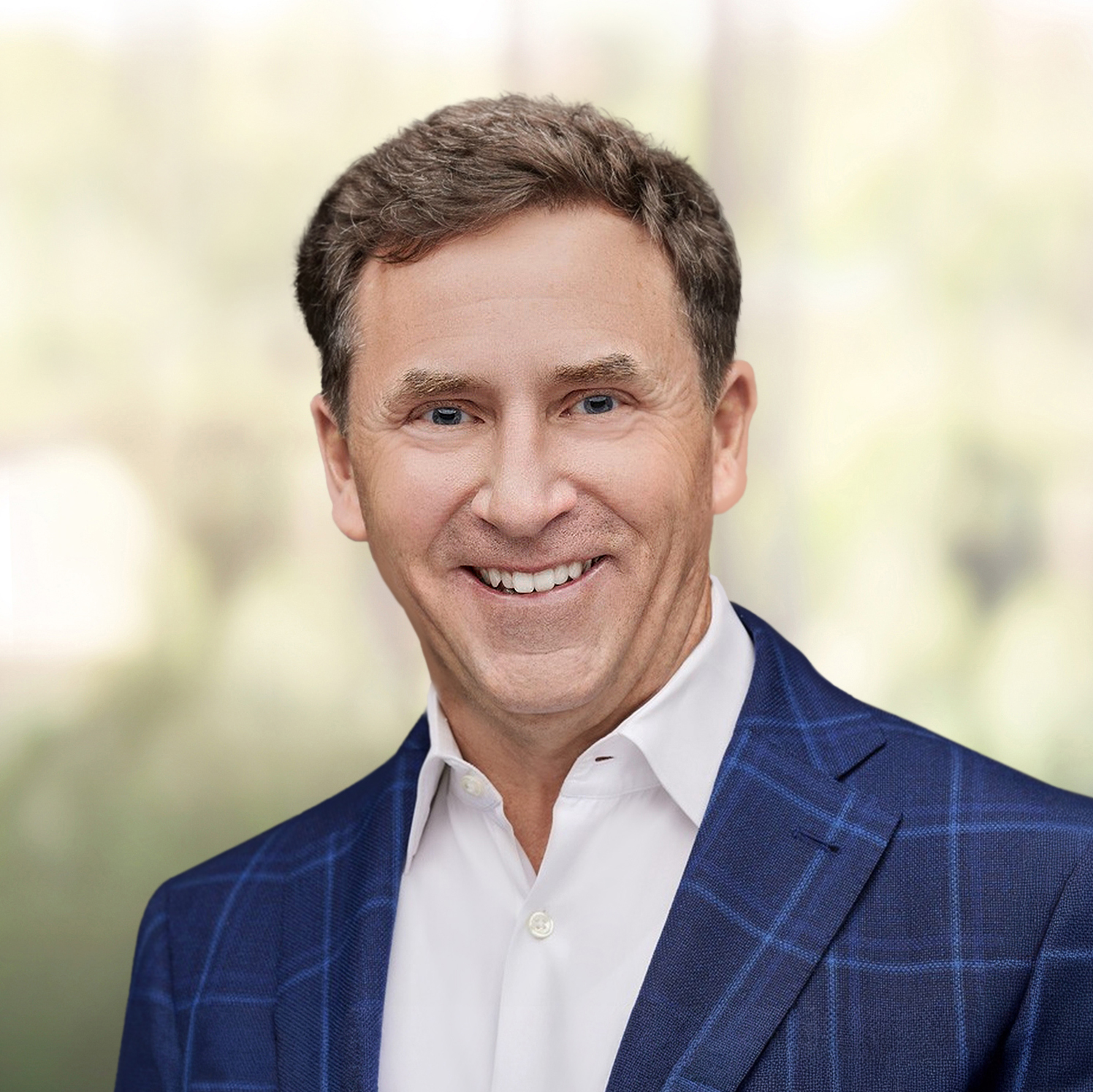
David: Boards and senior executives are navigating a world where strategy ages quickly, talent is stretched thin, and technology is reshaping leadership itself. In this season of Pearl Meyer Unscripted, we're exploring the real conversations happening today in boardrooms and the C-suite, and the new rules and adaptations required for executive leaders to be effective.
Private equity firms invest heavily in commercial, financial, and operational diligence before closing on a deal. But one area remains under-examined until it's oftentimes too late, the human capital lineup itself. Leadership capability, talent, decision rights, and cultural dynamics are frequently assessed informally, or deferred, to post-close planning. Yet these factors often determine whether a value creation plan is actually executable.
In this episode, we explore the perceptions and myths when it comes to human capital due diligence, the reality of how early insight into leadership and organizational dynamics can substantively change both deal decisions and value creation outcomes, and how private equity firms can work this best practice into their deal making process in a way that creates a positive experience for them and their future portfolio companies, as well as generates insights they need at the right time in the deal cycle.
Today, I'm joined by a pair of colleagues who specialize in human capital and organizational diligence with a heavy emphasis on companies being evaluated by potential private equity investors. Kim Kroll serves as a managing director, and Annie Czarnecki is a principal at Pearl Meyer, and both bring recent expertise and experience supporting PE firms and their portfolio companies through the human capital lifecycle. This is really special to have you both here today. Thanks for your time.
Kim: Thanks, David. Glad to be here.
Annie: Thank you.
David: So, let's start with the premise for this discussion. Why is human capital due diligence underweighted pre-close in a PE context? And maybe, what are some of the misconceptions or fears?
Kim: It's a great question, David. We've heard the gamut, even from people who consider themselves to be the biggest proponents of talent. Probably the most common thing we hear boils down to fear. Fear of slowing down the deal in a competitive process. Fear of rocking the boat with the management team. Fear of adding another emotionally charged step when everyone's timeline is already compressed. These are all understandable instincts and concerns, but they're short-sighted ones because avoiding the conversation or closing your eyes really tightly doesn't make the risk disappear, it just means you find out about it after you've already signed.
And then there's also some very specific assumptions or fallacies to your point that live in deal rooms and quietly drive a lot of expensive decisions. The classic one that we hear is sort of “we can always fix talent, change them out” which sounds reasonable until you realize that leadership resets in the first 12–18 months don't just cost money, they also cost momentum and team morale and the sponsor PortCo's trust, those things that are genuinely hard to rebuild once they're broken.
Annie: And another one we'll hear, too, is the “we can build around them" assumption, which is something that might be possible if the PE firm is looking to bolster or support one step up leader or one misaligned leader, but not several. We've seen sponsors who've made the assumption that they can build around multiple leaders on the management team at once. And that's when it starts to not work.
Kim: Annie, there's one more thing that comes to mind as you say that: the familiarity bias. You know, we see it happen quite often that people will say, “we know the CEO, we've worked with this person before. It's a known quantity. They can do this. They've done it four times before.” Knowing someone is not the same as knowing whether or not they can execute against your specific value creation plan. And that distinction is really important because assuming familiarity equals capability is a huge misstep and one that’s hard to course-correct from.
David: Is there also a misconception that management teams don't want this process in the first place?
Annie: So that's one of the areas where it's actually the opposite of what we might tend to find in practice. When the process itself is done right—in a way that's thoughtful, respectful, clearly framed with the management team—they actually really do value it because they see this as a signal that the PE firm genuinely wants to understand their business and wants to understand them as people and as leaders.
Not just seeing them as boxes on the org chart or line items on the P&L, but really for who they are and what they want to accomplish. When that's done right, it's really one of the first moments for the PE firm to start building trust. And then on the flip side, it also gives the management team a platform to flag where they need support or where they want support from the PE firm. And then they can even use that as a chance to say what they want protected or to signal how they want to be led and how they want to be partnered with. That can really be a useful data set to have on day one of ownership and a powerful signal to the team that they're being invested in by the PE firm.
Kim: We've actually seen it flip a competitive deal, right? A PE firm lost an opportunity. And it wasn't because of price or terms, oftentimes you'll hear that that is something that wasn't factored in as much as this process. The winning firm had a formal human capital diligence process and the management team read the quality of that process as a window into what partnering with that firm would look like post-close. They chose that firm because they showed up as a partner before the deal was even signed. This isn't really just about risk mitigation. It's also done well at competitive advantage.
David: Right, right. And as Annie said, and they feel invested in before any investment is even made, which is a great feeling as a leader. Given what you all do each and every day in your PE clients, what should private equity firms be considering to do it the right way?
Annie: Yes, so it's a good question. Nearly two decades of doing this work and hundreds of deal situations have helped us really home in on several areas that the PE firm needs to intentionally evaluate as part of their human capital due diligence. The first one is really around strategic alignment. Looking and probing around whether the leaders are even aligned amongst themselves on the investment thesis, on the value creation plan, on the proposed path forward, and then the lever of—are they actually aligned with the sponsor? If there are misaligned assumptions about where the company is going, how they will actually go about getting there, those can be silent deal killers that show up loudly in year one, or year two, or further down the line.
And then the second is really looking at what we call accretive leadership, which is not only attracting and retaining the skilled and dynamic leadership talent that you want and need, but also looking at the overall performance, effectiveness, cohesiveness of the management and of the top team. So really looking at where are their gaps and even digging into some of the hopes, dreams, and aspirations of the key leaders.
If you have a CEO that's looking to get out of the business sooner than the sponsor was expecting, that can be something that's important to surface or important to probe at this phase. And then really turning more towards the execution capabilities to go beyond what the company did to get to this point and accomplish everything that they have, but already really focus on do they have the skills, do they have the processes, do they have the tools? Do they even have the talent to run the play that this deal requires? If this thesis is asking for them to do something like heavy M&A, or driving operational improvement in a different way that they haven't done before, that could really require them to flex a different muscle than they have to date.
David: Or bolster the team in some other way, at least with a forethought, right?
Annie: Yes, and that even ties into the cultural piece, which can tend to be one of the areas that gets underweighted. If you think about culture as the way that the work gets done within the organization and incompatibility there between the portfolio company and then the sponsors expectations, can also stall integration or drive attrition of the people that you want to keep. All of those together can risk undermining the whole value creation plan itself and all in different ways that don't necessarily show up in the financial diligence or in the model and it’s really crucial to surface that cultural piece before close, not after, too.
Kim: Yeah, and Annie if I may jump in on the fifth one, the last construct is really the culmination of all of them, and also the partnership readiness. Has this leadership team worked with a private equity sponsor or other investor before, even advisors? Do they understand the pace, the accountability, the reporting requirements, the magnitude of growth or the governance of private equity?
For example, a founder who's never had a boss before, will experience this very differently in the first 90 days and beyond than someone who's done this two or three times. So, knowing that upfront, lets sponsors manage the transition with intention rather than just reacting to it. I think you could probably think of these five areas as sort of like the human capital or leadership equivalent of quality of earnings analysis. You wouldn't skip the QoE, right? So don't skip the human capital version of it. And the data backs it up. In recent studies that have been done, 71% of private equity professionals attribute successful exits primarily to the caliber of the management team leading the business. And on the flip side, nearly two thirds attribute failed exits to the management team lacking the requisite skills to deliver. That correlation is there, and the practice is just catching up.
David: Interesting. Can the application of these ideas actually impact deal outcomes or terms?
Kim: Yes, and hopefully they do even on the most microcosmic level, if not on a bigger scale. I mean, the most common outcome is really just informing the execution playbook, right? This process tells you what you need to execute well. Maybe you need to bring in a fractional COO, or maybe you need to invest in leadership development that wasn't budgeted. Or perhaps you restructure incentive comp to create the right alignment going in.
Those are good outcomes just to have eyes wide open from day one. And in some cases we have seen where the diligence influences actual decisions on the deal. Those are rarer than it being more of a targeted focus. It’s not frequent, but it has happened where people will walk away entirely. More often it's about understanding each leader and their role, so that it can inform perspective on critical assumptions.
For example, we've had situations where business development is a core asset to the deal because the business has reaped the benefit of a founder who has these decades long entrenched relationships in the market. But there's no plan to backfill them in that personal connection if they were to step away from the business or, more likely, they happen to be ready to move on after having a windfall from a transaction.
Similarly, you can go into a business where the operational engine appears to be humming from the outside and once you get under the hood, you see that it's being held together by duct tape and prayers. That early diligence really is designed to surface those things before you buy the car. Bottom line, yes, we've definitely seen people go back and renegotiate terms, if not more, after diligence.
Annie: And I'd add, too, that that's a much smarter framing again than the “we can always fix it later” because fixing it later could mean you have a leadership reset in year one, which is both costly and time consuming for the sponsor, or it could even recalibrate the time to exit if execution becomes more complicated or hits roadblocks. Even in cases where the answer is this team needs investment to execute. Knowing that on day one is worth a great deal more than finding that out on month 18.
David: Well, and it can be added to the deal economics, right? We know we're going to need to add a controller, or we know we're going to need to add a supply chain leader, or whatever it may be. I think diligence process helps shine a bright light on that.
Kim: Yes, you know it well, David.
David: We have lot of listeners that are not PE sponsors. Does this diligence process apply beyond PE?
Kim: Yes, and predates it, too. We actually used to do this before we worked with private equity firms on public companies as well. So anytime there's a strategy change, a leadership transition, a major transformation in the business, or even an impending transaction, the need to diagnose leadership fit and execution capability is just as acute.
Even if you think about promoting somebody internally to a division president role or hiring somebody into a C-suite position. Going deep on strategic alignment and capability fit before a decision is made is the same logic. Different context, but same discipline.
Annie: And the principle itself is the same, understanding who you're actually working with, whether they're positioned to execute this chapter of the business before you've locked in with them and not after.
David: Right. Well, we’re coming to the end of our time, but I have one final question. When you're talking to your private equity sponsor clients, what is one assumption that you would recommend to those sponsors to just let go of?
Annie: We're laughing because we think about this often, but really, the assumption that human capital doesn't need to be assessed with the same rigor and intentionality that firms apply to every other area of the deal. The financial diligence itself is airtight, the commercial diligence is thorough, and then the people question, which is arguably one of the most important, often gets handled with a few conversations, a gut check. The asymmetry there is where a lot of value gets left on the table or even destroyed entirely, if this is ignored.
Kim: To put a finer point on it, the cost of getting it wrong isn't a line item, it's the whole value creation plan. And the firms that figure this out and subsequently build it into their standard diligence process don't just close better deals, they build better companies. And that's the real return.
David: Fantastic. Well, thank you so much for the details and depth of discussion. It’s been super insightful for me. I always like getting re-grounded and hopefully for our listeners as well. So, thank you very much for joining me today.
Kim: Our pleasure.
Annie: Thank you.
David: My thanks again to Kim and Annie for such a thoughtful conversation on the importance of human capital in the private equity due diligence process.
On our next episode, which is our season finale, we'll turn to another role that can have an outsized impact on value creation, the portfolio company's CFO. I'll be joined by my colleague Vamsi Tetali and we'll explore how the demands on this role have evolved beyond financial stewardship alone, and why today's private equity CFO must balance strategic partnership with capital discipline in a far more complex operating environment. I hope you'll join us for this last episode.
Look for new episodes each Tuesday at Pearl Meyer Unscripted, subscribe to our YouTube Channel, and listen on Spotify and Apple Podcasts.