Podcast | Oct 2026 | The Pearl Meyer Unscripted Podcast
Beyond the Transaction: Is Your Leadership Team Ready for What Comes Next?
S5 Ep5: Boards and sponsors must look beyond retention to ensure leadership capabilities and compensation strategies support a successful transition and long-term value creation.
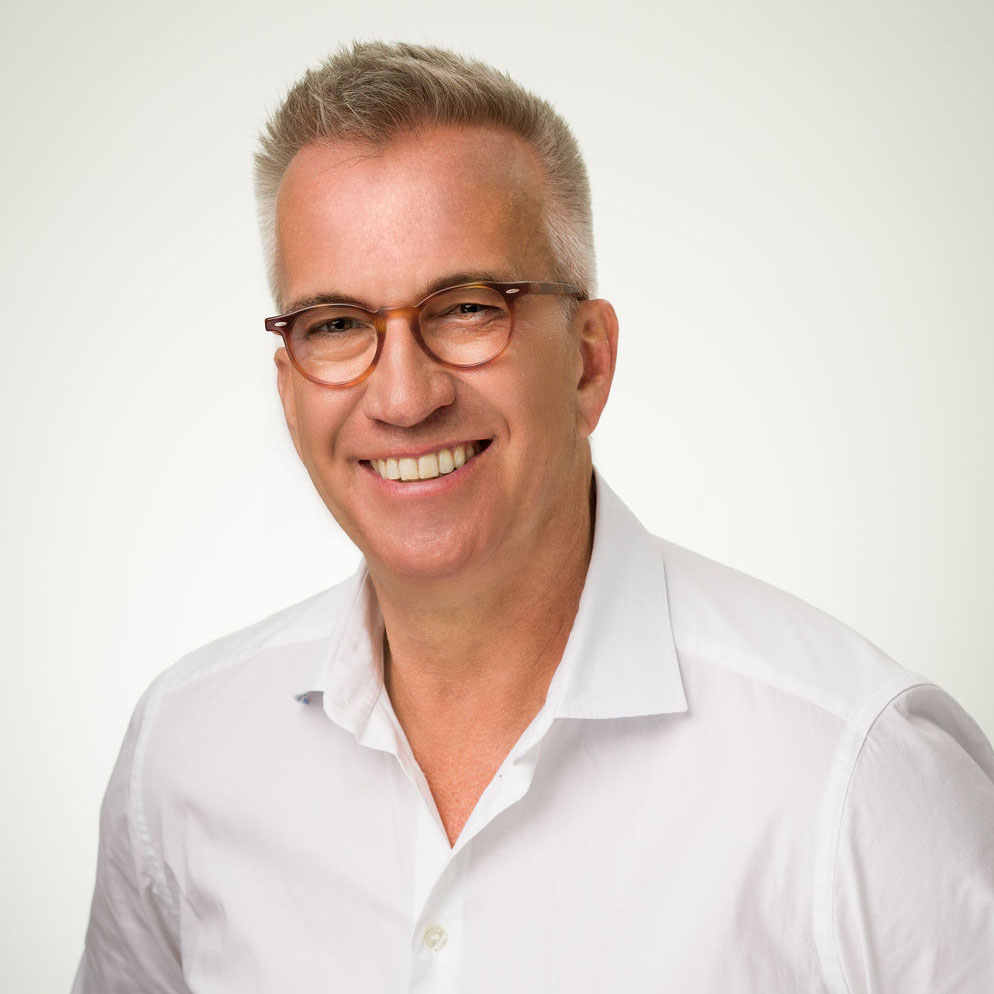
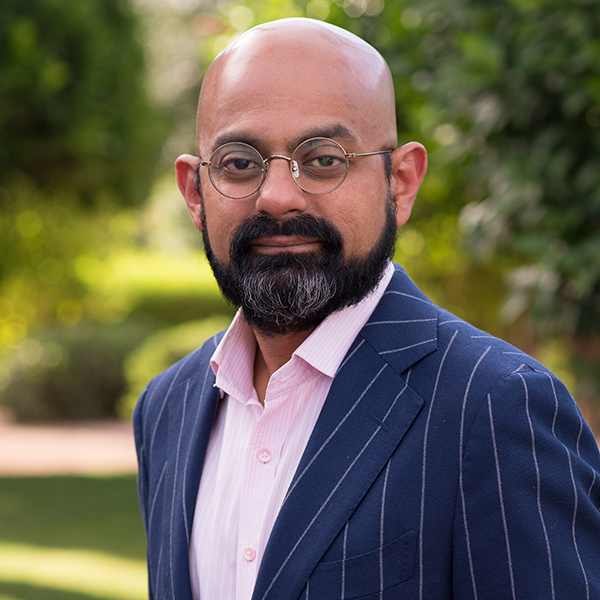
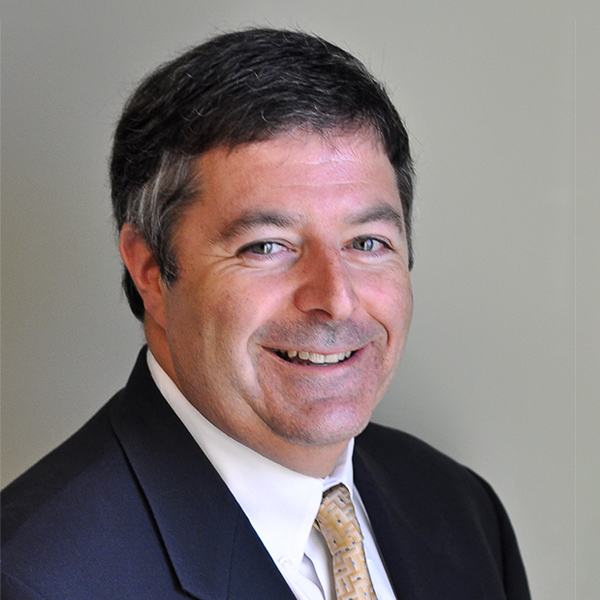
Jake: Today we're wrapping up our annual Top Five series with a look at leadership readiness and the role it plays before, during, and after a major transaction. Mark and Aalap are joined by managing director Matt Richburg, who brings 30 years of leadership advisory experience and has conducted diligence on more than 2,000 executives, often working with private equity sponsors and portfolio companies on executive assessment, organizational readiness, and CEO coaching.
Together, they discuss why boards and sponsors should think about leadership readiness as an underwriting issue, not simply a human capital consideration, how early they should assess whether the leaders who built the company are the right ones to take it forward, and how compensation can support retention and value creation without limiting the board's ability to evolve the team for the next ownership model. Let's listen in.
Aalap: Matt, really excited for you to be here on the podcast. Mark and I are looking forward to this conversation on leadership readiness.
Matt: Thanks for having me. It's good to be here.
Mark: Yeah, this is great. We've been talking about having you on and talking about this. Let's just jump right in. As we think about this issue, why do boards and sponsors tend to treat leadership readiness as really secondary to the transaction mechanics? What's the problem with that order and what's the real cost to having that second to the transaction mechanics?
Matt: Yeah, this is a good question and something that I think is becoming more front and center as we think about readiness. When you think about transaction mechanics, there's a fairly prescribed set of things that need to happen. And I think there's a general order of operations to build reporting capabilities, compliance functions, and an organization that's ready to operate at the next level, potentially as a public company.
When we think about leadership readiness, it's more ambiguous. It's messier, right? We have to get into this world of people and what the people are going to need to do and how they're going to need to do it to take us forward. And I think that requires pressing pause and really looking ahead for whatever time horizon remains, maybe it's two years, maybe it's three, maybe it's five, to try to understand what the end goal is. Where are we going? And then what's it going to take to get there? Which really creates an opportunity to think about what the leadership readiness equation needs to include. And that's complicated. It takes discipline. It takes some challenging looks at what we have. Boards and organizations tend to fall in love with people that have delivered well for a period of time. We have to ask ourselves, are those the people that really will take it forward? And sometimes that does mean making some tough decisions. How far can people go? How much can they scale? Will all be part of the ask as you think about that leadership readiness.
Aalap: Yeah, and Matt, we talked about this before that leadership readiness is not just a human capital issue, it's really an underwriting issue. In your experience, what does that look like in practice and how early should boards really start thinking about this in earnest?
Matt: Yeah, it really is an underwriting issue. I think you're dead on, Aalap. I was looking at some research that we really kind of live and die by in our practice. Bain and Hunt Scanlon, about six years ago, did a very comprehensive study on what created value, and this is in kind of PE exits, which I think are relevant here. And there were a number of factors examined. This is a broad sample, a lot of exits were considered. Seventy-one percent, the number one contributor to the success of an exit, was attributed to the quality of the leadership. So, a huge factor there.
On the flip side, when an outcome didn't go as hoped, when an exit wasn't as anticipated, outside of the number one contributor, which is that black swan event, number two, sixty-four percent of the reason was because the management team lacked requisite skills. And so, when you think about underwriting, often a business we've got tangible assets, we've got IP, we've got AI, whatever the thing is that we're doing, selling, the service, the product. But fundamentally at the end of the day, it's really about the people that we're underwriting and the leadership to take it forward and into next chapters.
When you think about timing around that, our belief is it's never too early to start. And there's often a series of chess moves of successive decisions that need to happen about what you layer in, the capabilities that are built, when they're built, when the talent choices are made to bring in new ideas, new thinking, new professionalization, and candidly, when new leadership is required to take it to the next level.
Aalap: Right. So that concept of starting early, I think really resonates because it's not like you're going to swap out the executive team right before a transaction, because you need the capabilities and insights and quality of leadership to get you to that point. And doing this on the early side is really important. And so, Mark in our world, in the compensation world, I think that also holds true, not only are you looking at the leadership readiness, but you're also looking at the equity that an individual has, what level of that equity is vested or unvested, and really trying to take a holistic view of is the current compensation going to engage and retain the individual through that next event? Would you agree?
Mark: Yeah, I would, except to Matt's point, I think the question is: Do we have that in the hands of the right people?
Aalap: Absolutely. You could have a lot of retention hooks, but if it's the wrong people, then it's not worth as much.
Mark: So Matt, as you think about this idea, how do you evaluate those leaders who got the company where we are now and are they the right ones to take to the next stage? Because this gets to that compensation question, are we overpaying or are we at risk of losing people? So it really does have that overlap as Aalap was saying to the compensation and making sure we're paying the right people.
Matt: Absolutely. I love to catch our clients when they're in the act of doing great things and really understand and celebrate that best-practice examples out there. There's one that really stands out to me. We were invited in, actually during a diligence phase in a take private, that was known to be set up to be an IPO in three to five years. So before the deal actually closed, to your question, Mark, we were on the ground digging in to understand the talent, the top thirty leaders in the company, capabilities of the organization against a very different and new operating model and strategic focus, and helping to set up the right talent, with the right structure, and the right compensation to drive forward to an IPO, which ended up recently being a record-setting opportunity and win for the management team and for the sponsors. But something like that started before the deal even closed such that a new CEO was on the ground literally day one to build out an entirely new management team.
But to your point, there were still changes that were made along the way. In that case we see a CFO that comes in to create the basic infrastructure, wasn't the one that took it through to the sale process. And the comp structure had to be flexible to embrace and reward both and leave enough at the end so that the CFO that helped lead the roadshow and get them across the line was also well rewarded.
Aalap: I think that is really a big issue to navigate, right? Because we see this often. A capable executive team isn't the same as an effective one based on what stage you're in and what stage you're trying to get to. What changes when a leadership team has a shift from an entrepreneurial, founder-style culture to the predictability a new owner expects?
Matt: This is a significant shift, right? When you think about what got you here may not be exactly what gets you there, and yet you want to retain a lot of the things that got you here. This is a delicate balancing act. And again, I think about examples where we've been involved. A team that created an idea, birthed it, and really got it to a hundred, two hundred, three hundred million dollars, may not be the exact team that is going to take it forward. And when you start to bring in new ideas, perhaps a more professional view of functional capabilities, all of a sudden you've got much more sophisticated, perhaps, go-to-market or technology or whatever those areas might be, HR, finance, you bring a different level of operational rigor and discipline to the team, to the business. And those things all have to be absorbed.
And I think the organizations that do it well, do it very intentionally. Another client that we've worked with is very much on this journey of wanting to retain some of the nimble, fast-moving, entrepreneurial spirit that created rapid growth, but also know that some of that same kind of unbridled entrepreneurialism does not translate to the discipline required to manage month-to-month, quarter-to-quarter with consistency in a public market. And so, there's intentionality as that team comes together to really define what some of the operating principles are, what are the leadership behaviors that really matter.
And some of those are going to be in tension with each other of maintaining flexibility and entrepreneurial focus, but also adhering to the discipline required. That team is talking about that, they're talking about what it means, they're talking about what's required cross functionally to grow into a chapter that requires more discipline and coordination. I think the bottom line is all of that has to be done with care, deliberation, and time and attention put to it. It doesn't just happen accidentally, at least most of the time.
Mark: Hey Matt, can you go into a little bit more detail about how you go about doing this? I mean, maybe use the CFO as the example, the one that built the processes but wasn't really the right person to take us through the liquidity event. How do you think about that and how do you actually identify the readiness?
Matt: One of our fundamental approaches is a really thoughtful, deep-dive assessment look at executive candidates, either internal promotes or external hires, against the backdrop of really understanding what the role needs to deliver and what it needs to accomplish.
So, in the case of that CFO, and we've seen this with a number of clients we've worked with. People are realizing, organizations are realizing, that you don't always find the complete skill set in one person. The builder is not necessarily the seller. And so, our process really helped early on to identify the strengths that the original CFO brought to the table. And then also understanding where that person probably stops. So, there was kind of a day-one understanding of we can probably go this far and this is exactly what we need when we get to the next chapter, we'll want to look for a different set of skills. Now, of course, minds are open, eyes are open, if the person evolves and develops, we'll certainly embrace that. But I think in a lot of cases, we know what we're getting and then there's intentionality and good data to make thoughtful decisions when the time is right, and bring in the next skill set that takes it across the finish line.
Mark: And that's such a hard thing to do is, we know it when we see it after you've presented it to us, but sometimes pulling the trigger can be difficult.
Aalap: And speaking of that, you could definitely see the situation happening when maybe there's a group of founders in an organization, and your assessment identifies that maybe there needs to be an exit or a different role change. I mean, is that always the answer or is it also an ability and/or an opportunity for coaching and development work, if you start early enough.
Matt: Yeah, absolutely. And I think it all depends on what's the clay you're working with, and what's the ability of that clay to be formed. We are ardent supporters of development and coaching but also want to use that tool thoughtfully and when it's likely to produce the results that are going to take the person and the organization forward. So, a good combination of discerning judgment and assessment combined with development for the right people, I think is the path that enables the most optionality when you get to make some of these important decisions.
Mark: If you had to boil the board's readiness test down to one question directors most often skip, what would it be and what should they be doing about it do about it?
Aalap: From a compensation perspective, I think the one big question that is rarely asked, is the compensation structure, and specifically the incentive compensation structure, is it fit for purpose? Is it truly evolving with and being able to support the next stage for the company? And is it fit for purpose to the individuals? Because oftentimes we don't individualize that compensation structure as much as we could and there may just be different risk profiles and maybe different skill sets in that executive team, and you're trying to get them ready for the next stage of development. And so, looking at the business strategy of the company, where you're trying to go, looking at the executive profile of the individuals, and making sure that the compensation program actually supports both of those.
Matt: And if I were to throw my two cents into that, thinking about leadership, to me there's several questions, but the most important one really boils down to, will the leaders who got us here be able to take us to the next milestone and beyond? I think we need to be able to look and ask the question, will they get us one year, two years, three years out? And then there's a backup question that comes behind that. If we're asking that question, are we really willing to find out the truth and then make, as necessary, tough decisions? Do we have the conviction to learn and then decide that we may need to make changes, or additions, or move people out of the roles that they're in?
Mark: Matt and Aalap you've added a lot here. This has been a great conversation. Really appreciate having you on the podcast, Matt.
Matt: Thanks for having me.
Aalap: Yeah, Matt, I really enjoy conversations like this because the multivariable calculus that most directors are dealing with, like compensation, talent, leadership readiness, development. And frankly we just don't get together often enough to talk about it. We should definitely do this more.
Jake: Our thanks to Matt for his insights on a crucial question that must be considered in the context of a major transaction—will the leaders who got us here be able to take us to the next milestone and beyond?
We may have wrapped up our Top Five, but we will be back in your feed with another new episode next week. We're returning to our industry series with a three-episode examination of how tax-exempt organizations can build compensation programs that reflect the markets in which they actually compete for leaders, while remaining aligned with the mission, governance expectations, and economic realities of their tax-exempt purpose. To kick things off, Alexander Yaffe will join the pod to explore the challenge that tax-exempt healthcare companies face in competing for executive talent without being able to offer equity.
Until then, you can find all of our Unscripted episodes on Spotify, Apple Podcasts, pearlmeyer.com, or wherever you get your podcasts. Thank you as always for listening, and we'll meet you back here next week.
Look for new episodes each Tuesday at Pearl Meyer Unscripted, subscribe to our YouTube Channel, and listen on Spotify and Apple Podcasts.